


Key Takeaways:
- Stem cells are a new regenerative therapy for Chronic Inflammatory Diseases (IBD)
- MSCs go beyond symptom control
- Umbilical Cord-Derived MSCs offer major advantages
- Proven safety and clinical potential

Mesenchymal stem cells (MSCs) are naturally occurring multipotent cells that play a key role in tissue repair and regeneration. They represent a new generation of therapies for the treatment of chronic inflammatory diseases.
Through their unique combination of immunomodulatory, anti-inflammatory, and regenerative properties, MSCs help restore the immune balance and support the healing in chronic diseases that are usually very difficult to treat.
Unlike conventional treatments that primarily control inflammation, MSCs target multiple disease mechanisms simultaneously. This offers the potential for long-lasting clinical improvement.
Key Characteristics of MSC Therapy
- Immunomodulatory: restores immune balance rather than inducing broad immunosuppression
- Anti-inflammatory: reduces inflammation through multiple cellular pathways
- Regenerative: supports repair and regeneration of damaged tissues
- Multimodal mechanism of action: targets several disease mechanisms simultaneously
- Steroid-sparing potential: may reduce dependency on long-term corticosteroid therapy
- Long-lasting effect: clinical benefits may persist for months after administration
- Favorable safety profile: controlled clinical studies in both dogs and cats reported excellent tolerability
Where do stem cells come from?
Mesenchymal stem cells (MSCs) are derived from different sources and different donors. Both the tissue and the donor source can influence their therapeutic potential. Mesenchymal stem cell therapies can be classified into different categories:
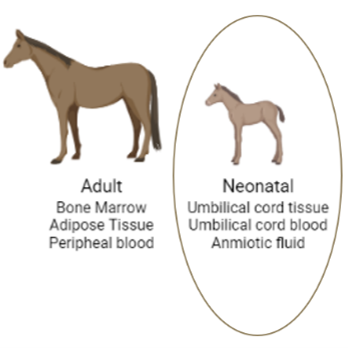
- According to the tissue source:
The tissue source can influence biological characteristics and therapeutic potential of the stem cells.
- adult tissue: bone marrow, adipose tissue
Traditional MSC source with lower proliferative capacity, often requiring extensive in vitro expansion, which may lead to cellular senescence and potentially reduced functional properties
- neonatal tissue: umbilical cord tissue, placenta
Biologically younger MSCs with high proliferative potential and potent immunomodulatory properties, making them particularly attractive for the treatment of chronic inflammatory diseases (like CIE/IBD)
- adult tissue: bone marrow, adipose tissue

- According to the relationship between donor and recipient:
- autologous stem cells = are collected from the patient itself and administered back to the same individual
- allogeneic stem cells = are obtained from a donor and administered to a different individual of the same species
- xenogeneic stem cells = originate from a different species than the recipient
- autologous stem cells = are collected from the patient itself and administered back to the same individual
Umbilical cord stem cells have multiple advantages
Umbilical cord sources present important advantages that make them the ideal source for stem cell treatments for dogs and cats. Currently there is intense research for innovative products and indications in cats and dogs suffering form burdensome chronic inflammatory diseases.
How do stem cells work?
Mesenchymal stem cells act primarily through the secretion of immunomodulatory and regenerative factors rather than directly replacing damaged tissues. Nature has spent millions of years perfecting how the body maintains balance, responds to injury, and regulates itself. Stem cells are part of that system.
Stem cells interact with immune cells, modulate inflammatory responses, and support the body’s own repair mechanisms. They don’t control disease but observe, signal, and guide and support the body where it falls out of balance.
This unique multimodal mechanism allows MSCs to address multiple aspects of chronic inflammatory diseases simultaneously.
Mode of action of MSCs in chronic inflammatory enteropathy

Clinical studies in both dogs and cats with CIE have demonstrated meaningful improvements in disease activity, quality of life, and remission rates, while maintaining a favorable safety profile.
A key advantage of MSC therapy is its ability to combine immune modulation with tissue regeneration. They may help restore immune balance and support healing of the damaged intestinal mucosa, potentially leading to sustained long-term remission.
References
-
Data on file